What does DW mean in text is a question many people are curious about, especially when chatting online or texting friends. Understanding DW can help you communicate clearly and avoid confusion in casual conversations. In this article, we’ll break down what DW really means and how it’s used today.
When you see DW in text, it usually stands for “don’t worry,” but its meaning can vary slightly depending on the context. Knowing how and when to use DW makes your messages friendly, relatable, and easy to understand. By the end, you’ll feel confident spotting and using DW like a pro.
Definition & Meaning
DW stands for “Don’t Worry”. It is a casual, friendly abbreviation often used in texting, instant messaging, and online platforms. The term is usually employed to reassure someone, signal that a situation is not serious, or express calmness in response to concerns. For example, if a friend apologizes for being late, replying with DW conveys, “It’s okay, don’t worry about it.”
Beyond “Don’t Worry,” some contexts may attach alternative interpretations, but the primary and most widely recognized meaning remains supportive and reassuring. Its popularity stems from the need for brevity and efficiency in digital communication.
Background & History
The rise of texting acronyms like DW traces back to the early 2000s, during the widespread adoption of SMS messaging. Due to character limits and the desire for faster communication, people began abbreviating common phrases. DW emerged as a quick, friendly reassurance, gaining traction across instant messaging platforms like MSN Messenger, AIM, and later social media apps such as WhatsApp, Snapchat, and Instagram.
Over time, DW became a staple in online texting culture, reflecting the modern trend of condensing expressions while maintaining emotional tone. Its usage is now globally recognized, though certain regions may favor alternative slang or abbreviations.
Usage in Various Contexts
DW is versatile and appears in multiple texting situations:
- Friendship chats: “DW about the party, we’ll have fun anyway!”
- Online gaming: “DW, I’ll cover you in the next round.”
- Work or professional context: Rare, but may appear informally among colleagues who share casual communication channels.
The term’s tone is generally informal, supportive, and friendly, making it suitable for personal texts, social media comments, and casual messaging apps.
Common Misconceptions & Clarifications
Some users mistakenly interpret DW as negative or dismissive. Others confuse it with unrelated abbreviations, such as “Dear Wife” or “Data Warehouse” in technical contexts. The key clarification is that in everyday texting, DW almost always means “Don’t Worry” and conveys reassurance rather than criticism.
Similar Terms & Alternatives
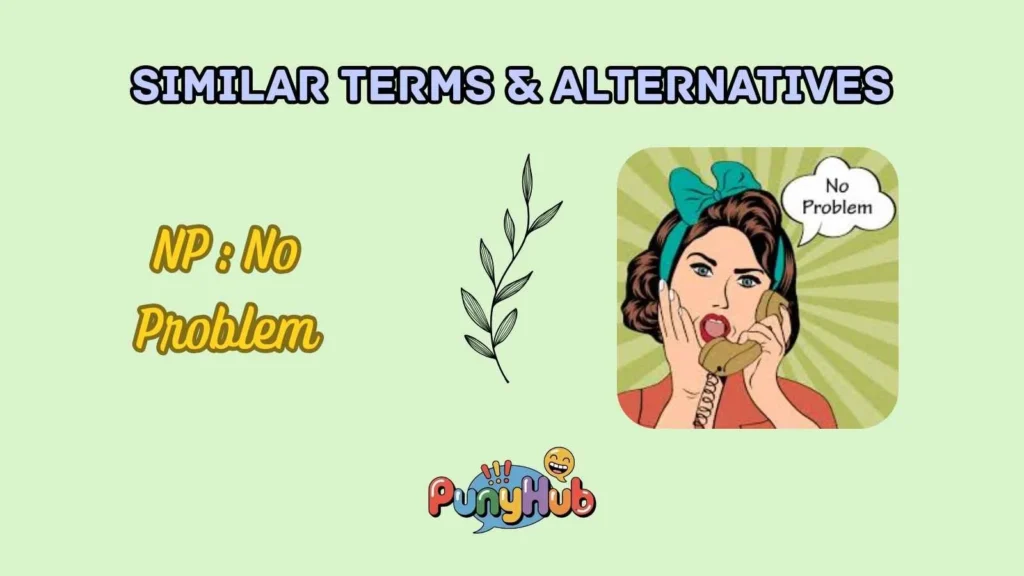
Other acronyms convey similar sentiments:
- NP – No Problem
- IDK – I Don’t Know (used differently but casual)
- SMH – Shaking My Head (different emotion)
- It’s OK / It’s fine – Plain text alternatives
Using these alternatives depends on the tone of the conversation and personal preference.
How to Respond to This Term
When someone texts DW, your response can match the tone:
- Thanks! – Expressing appreciation
- Got it! – Acknowledgment
- 🙂 – Simple reassurance or acknowledgment
Using a similar casual tone helps maintain friendly digital communication.
Regional or Cultural Differences
While DW is widely recognized in English-speaking countries, abbreviations in other languages may differ. For example:
- FR (French) equivalents: “Ne t’inquiète pas”
- ES (Spanish) equivalents: “No te preocupes”
Awareness of local digital slang ensures better understanding in cross-cultural conversations.
Comparison with Similar Terms
Unlike NP or It’s OK, DW specifically conveys a sense of comfort and reassurance. NP signals a neutral acknowledgment, while DW often carries emotional support, making it slightly more personal and empathetic in tone.
Usage in Online Communities & Dating Apps
On social platforms like Discord, Twitter, or dating apps, DW is common:
- Dating apps: “DW, we can meet later if you’re busy.”
- Online forums: “DW, your question isn’t dumb.”
Its casual, friendly tone makes it ideal for initiating conversation or easing tension in chats.
Hidden or Offensive Meanings
Generally, DW is safe and non-offensive. Misinterpretations arise when context is ignored, but there’s no inherent negative meaning in standard usage. In professional or sensitive settings, ensure the tone matches the formality expected.
Suitability for Professional Communication
Using DW in formal emails or official business messages is discouraged. While friendly among close colleagues or team chats, it may appear unprofessional in emails, client communications, or official documents. In such cases, full phrases like “Don’t worry” or “No need for concern” are preferable.
FAQs:
What does DW mean in texting?
It means Don’t Worry and is used to reassure someone.
Can DW have other meanings?
Yes, but in texting, it almost always means Don’t Worry.
Is DW informal or formal?
DW is informal and best used in casual conversations.
Can I use DW in work messages?
Only in casual chats with colleagues, not in formal emails.
How should I respond to DW?
You can reply with Thanks, Got it, or a friendly emoji.
Is DW used worldwide?
Yes, but other languages may have their equivalents.
Conclusion:
Understanding what DW means in text is essential for clear and friendly communication in the digital age.
It primarily conveys reassurance and support, making it a staple abbreviation in casual texting, online communities, and social media.
By knowing its meaning, context, and appropriate usage, you can respond confidently and avoid misunderstandings.
While highly informal, DW reflects modern digital communication’s emphasis on brevity, emotion, and efficiency.
Whether chatting with friends, participating in online forums, or texting on dating apps, knowing when and how to use DW ensures your messages are understood as intended.

Rashid Ali is the curious mind behind Punyhub.com, where confusing slang, texts, and internet words get simple meanings. He loves breaking down trending abbreviations, viral phrases, and hidden meanings into easy explanations. If you ever wondered what a text really means, you’re in the right place.