WTW Meaning in Text has become one of the most common phrases people use while chatting online. If you’ve ever wondered what this abbreviation really stands for, you’re not alone. Understanding WTW Meaning in Text can help you communicate better and avoid confusion in messages.
Many people use WTW Meaning in Text in casual conversations, but its usage can vary depending on the context. In this article, we’ll break down the real meaning of WTW, how to use it correctly, and why knowing WTW Meaning in Text matters in digital communication.
Definition & Meaning
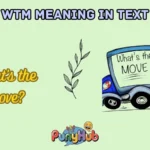
WTW meaning in text usually stands for “What’s the word?” In simple terms, it’s a casual way of asking what’s going on or what the plan is. People use it to start conversations or check in without sounding formal.
In many chats, WTW works like:
- What’s happening?
- What’s the plan?
- What’s new?
The tone depends on the relationship. Between friends, it feels relaxed and friendly. In dating conversations, it can signal interest or curiosity. WTW doesn’t ask for a long explanation. It invites a quick update or response.
Sometimes, WTW can also mean “What the what?” but this version is far less common and depends heavily on context. Most of the time, “What’s the word?” is the intended meaning in texting.
Background & History
WTW comes from spoken slang long before texting existed. “What’s the word?” was commonly used in face-to-face conversations, especially in urban and youth culture. When texting became popular, people shortened phrases to save time and effort.
Over time, WTW entered SMS language, then spread to social media platforms like Twitter, Snapchat, and Instagram. As messaging apps evolved, so did shorthand expressions. WTW survived because it’s short, flexible, and easy to type.
Unlike older acronyms that fade away, WTW remains relevant because it feels natural in conversation. It mirrors how people actually talk, which helps it stay popular across generations.
Usage in Various Contexts
WTW meaning in text changes slightly based on where and how it’s used.
In casual chats, it’s often a friendly opener:
- “WTW tonight?”
- “Hey, WTW?”
On social media, it may invite interaction or updates:
- “WTW with everyone today?”
In dating apps, WTW often signals interest:
- “WTW later?”
- “WTW this weekend?”
In group chats, it can ask for plans or decisions. The key is context. Tone, timing, and relationship all shape how WTW is understood.
Common Misconceptions & Clarifications
One common misunderstanding is assuming WTW is rude or demanding. In reality, it’s usually neutral or friendly. Another misconception is thinking it has only one meaning. While “What’s the word?” is most common, context always matters.
Some people confuse WTW with aggressive slang. That’s rarely accurate. WTW is more about curiosity than confrontation. Reading the message around it helps clarify intent.
Similar Terms & Alternatives
WTW meaning in text is close to other casual phrases, including:
- What’s up
- What’s going on
- Any plans
- What’s happening
Each alternative has a slightly different tone. WTW feels shorter and more modern, which is why it’s popular in texting culture.
How to Respond to This Term
Responding to WTW is easy once you understand it. Keep your reply natural and relaxed.
You can answer with:
- An update
- A plan
- A question back
Examples:
- “Not much, just relaxing.”
- “Thinking about going out later.”
- “Nothing yet, you?”
Matching the tone helps keep the conversation flowing smoothly.
Regional or Cultural Differences
WTW meaning in text is more common in English-speaking regions, especially in the US and UK. It’s widely used in urban slang and online youth culture. In some regions, it may sound unfamiliar or overly casual.
Cultural context matters. Younger users recognize it instantly, while older users may need clarification. Still, its meaning remains consistent across platforms.
Comparison with Similar Terms
Compared to “WYD” or “Sup,” WTW feels slightly more intentional. It often suggests plans or decisions rather than just checking in. While WYD asks what someone is doing, WTW asks what’s next or what’s happening.
Usage in Online Communities & Dating Apps
WTW is popular in dating apps because it’s short and open-ended. It invites conversation without pressure. In online communities, it helps start threads or casual chats.
It works well because it feels human and unscripted, which is important in digital communication.
Hidden or Offensive Meanings
WTW meaning in text does not have an inherently offensive meaning. However, tone can change interpretation. If sent abruptly or repeatedly, it may feel impatient. Context and delivery always matter.
Suitability for Professional Communication
WTW is not ideal for professional settings. It’s informal and may seem unclear or unpolished. In work communication, clearer phrases like “Any updates?” or “What’s the status?” work better.
FAQs:
What does WTW mean in texting?
It usually means “What’s the word?” and asks what’s going on.
Is WTW friendly or rude?
It’s generally friendly and casual.
Can WTW be used in dating apps?
Yes, it’s commonly used to start conversations.
Does WTW have multiple meanings?
Mostly one, but context can slightly change tone.
Is WTW slang or abbreviation?
It’s a slang abbreviation.
Should I use WTW at work?
No, it’s better suited for casual conversations.
Conclusion:
WTW meaning in text is simple, casual, and widely used in modern communication. It helps people check in, start conversations, and suggest plans without sounding formal.
Understanding its meaning allows you to respond naturally and avoid confusion.
While it works well in social and dating contexts, it’s best avoided in professional settings.
Once you know how WTW works, it becomes an easy and useful part of everyday texting.

Rashid Ali is the curious mind behind Punyhub.com, where confusing slang, texts, and internet words get simple meanings. He loves breaking down trending abbreviations, viral phrases, and hidden meanings into easy explanations. If you ever wondered what a text really means, you’re in the right place.